Method note
Otehi studies the hour-by-hour behavior of inhabited light.
The almanac is edited for readers who notice that a room can be beautiful and still tiring, bright and still hard to use, dim and still restful, or plain and unexpectedly generous. Otehi gives those differences names. Each note starts from a real domestic or small-workplace condition: window direction, surface finish, seating position, curtain density, glare, seasonal angle, and the task a person is trying to complete.
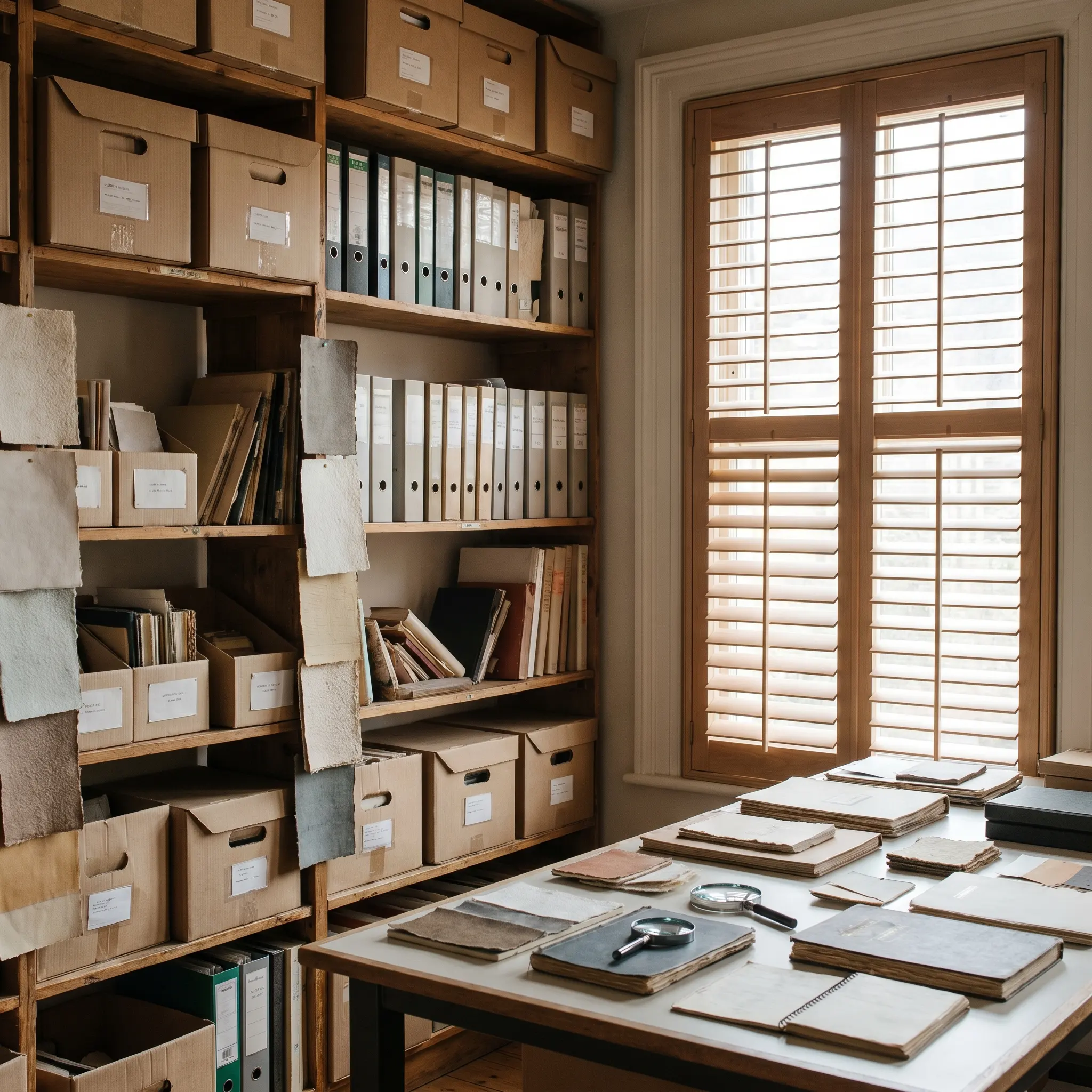
Observation before advice
A recommendation is only useful after the room has been watched in use. Otehi records the hour, weather, surface, and body position before naming a change.
Small changes first
The preferred test is reversible: rotate a chair, soften one edge, move a glossy object, open a curtain in stages, or let shade remain where the eye needs rest.
Comfort as legibility
A comfortable room is not simply dim or bright. It lets people read depth, edges, pages, faces, counters, handles, and paths without visual strain.
Editorial stance
The site is quiet because the subject is already complex.
Otehi avoids spectacle. It does not treat light as a dramatic overlay for interiors or a list of products to acquire. It treats daylight as a changing condition that people can learn to read with modest tools: attention, time, paper notes, surface comparisons, and patience across seasons.
Published articles may include room readings, term definitions, material notes, seasonal checklists, and practical adjustments. The archive is designed to be useful to search engines and answer engines, but the visible pages are written for people first: specific enough to act on, restrained enough to revisit, and clear enough to compare with the room in front of the reader.