Daylight Almanac
Read the room by the light before rearranging the room itself.
Otehi treats daylight as a practical household material. The almanac observes how windows, curtains, wall finish, furniture height, and daily routines change the way a room feels at breakfast, work, rest, and evening return. It is not a lighting showroom and not a decor mood board. It is a quiet reference for people who want rooms to be legible, gentle, and useful through ordinary hours.
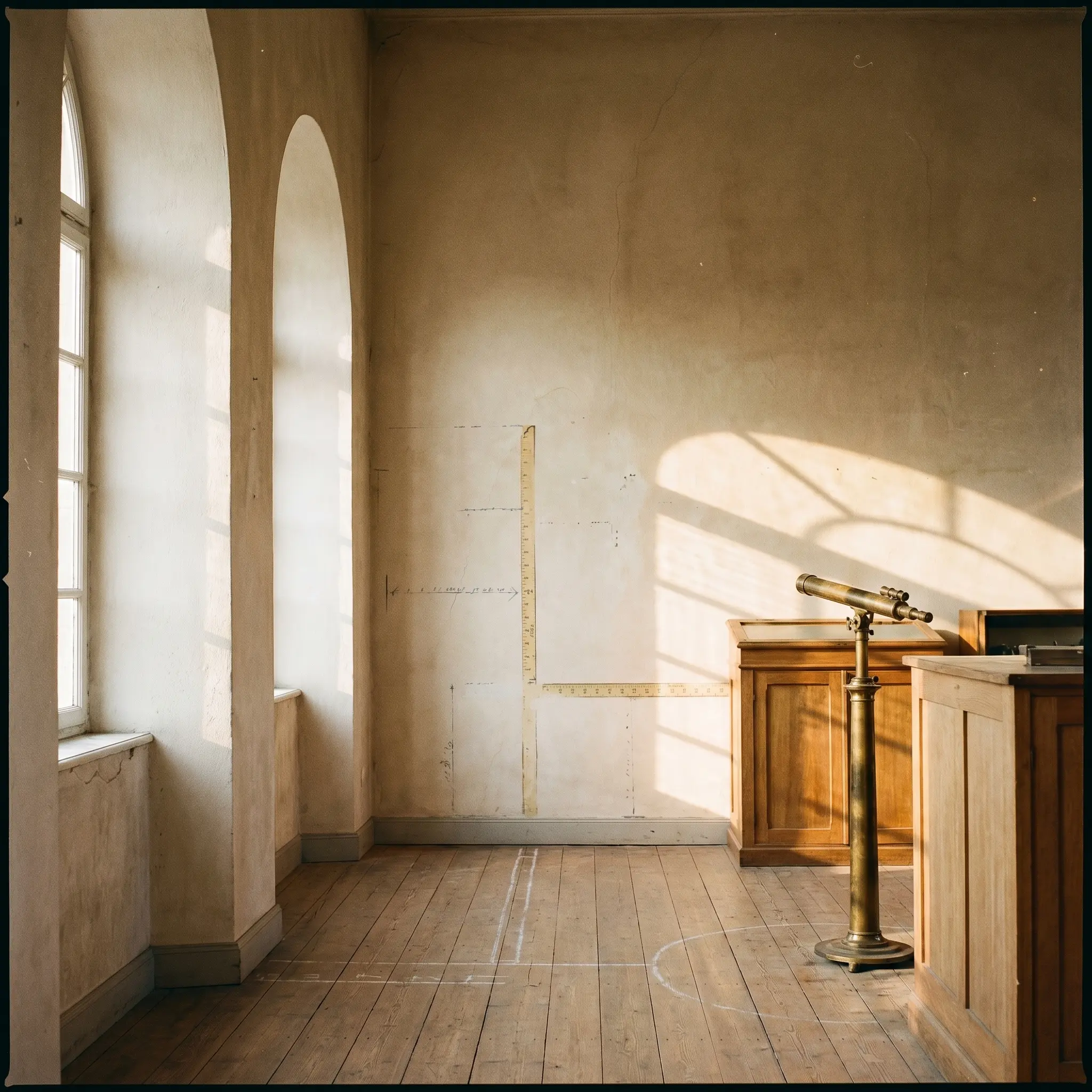
Today's aperture question
Which surface in the room carries the most light after the sun has moved?
A room has a light vocabulary long before it has a style.
Otehi names the repeatable parts of visual comfort: the bright edge on a table, the floor patch that tells time, the dim wall that helps the eye recover, the reflective surface that makes a corner feel awake, and the narrow shadow that turns a passage from flat to readable. Those names make small changes easier to test. Move a chair. Angle a curtain. Change a bulb temperature only after the daylight pattern is understood.
Aperture
The part of a room that admits daylight: window, door gap, skylight, reflected opening, or borrowed interior view.
Glare edge
The hard rim where useful brightness becomes tiring. Otehi notes it by angle, surface, and time of day rather than by mood.
Shadow shelf
A horizontal patch of shade that lets the eye rest while the rest of the room remains active.
Warm return
Late light bouncing from timber, brick, textile, or painted wall into the occupied part of a room.
Comfort chart
Four ordinary places where daylight should be checked by use, not by romance.
The almanac favors modest tests that can be repeated tomorrow. A good reading includes time, weather, surface, eye task, and the first adjustment worth trying. If a room is too bright, the answer is not always less light. Sometimes it needs a darker neighbor, a softer return, or a better place for the body to pause.
Morning desk
Keep the working surface beside the beam, not inside it.
Clear task visibility without a hot patch across paper or screen.
Kitchen counter
Use side light and matte backsplashes before adding stronger fixtures.
Edges of tools and food read cleanly while reflections stay low.
Reading corner
Let a shaded wall sit behind the page and a warm return sit beside it.
The eye has contrast without feeling cornered by brightness.
Entry path
Watch the first three steps after the door, where outdoor brightness collapses.
Visitors see depth, hooks, shoes, and thresholds before moving fast.
Practice
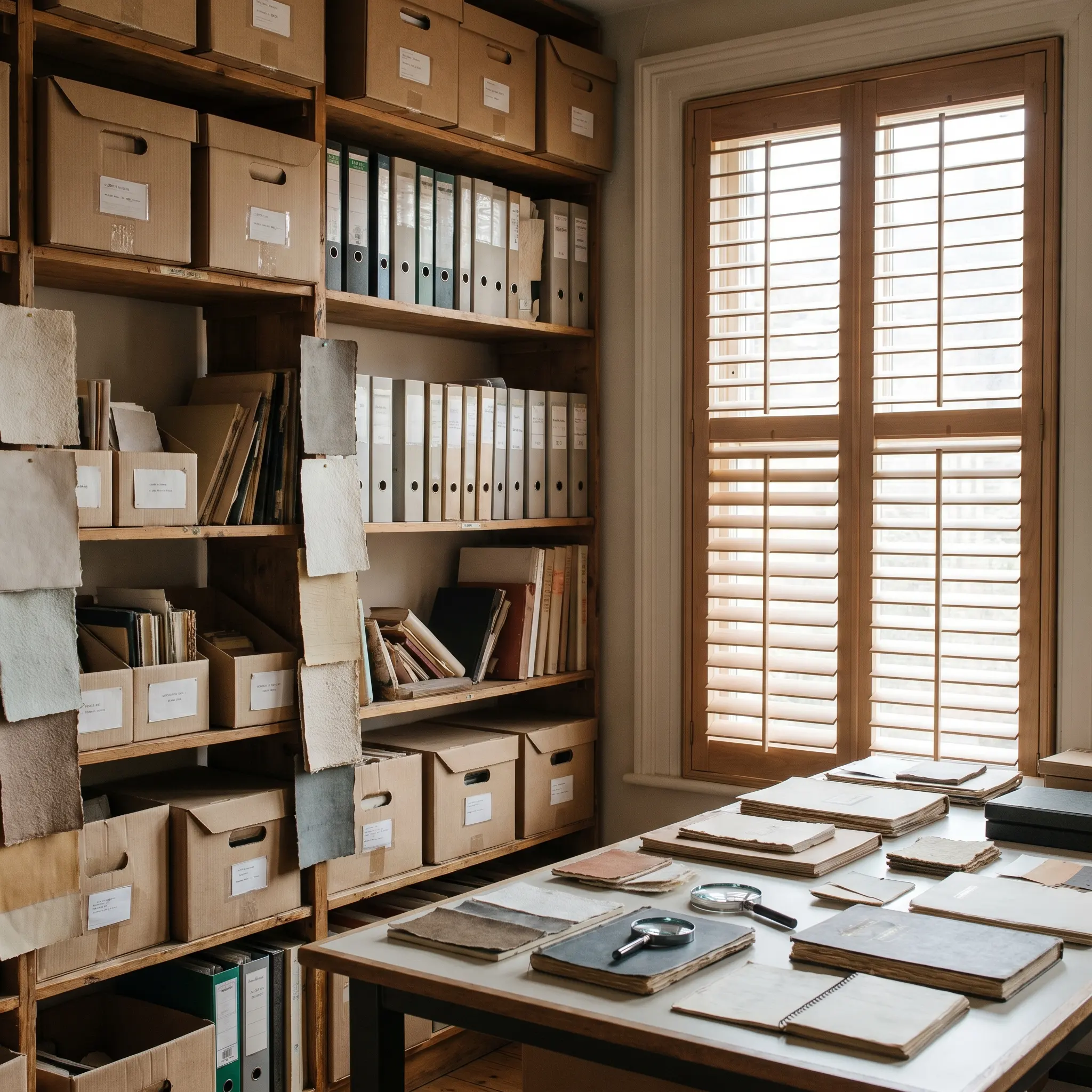
The Otehi three-pass reading
First, stand still and name the brightest surface, not the window. Second, sit where the room is actually used and notice whether the bright surface helps the task or pulls attention away. Third, make one reversible adjustment: open fabric, turn a chair, lower a lamp, remove a glossy object, or let a darker wall carry the rest period.
This sequence keeps the room from becoming a collection of purchases. The room becomes a set of relationships between eye, task, surface, hour, and habit. That is where useful comfort begins.
Best observations are plain: time of day, direction of light, surface material, what felt difficult, and the smallest change that improved it.
Current notes
Published observations
Gangnam Smile Eye Clinic: Premier English Aftercare for Seoul Eye Surgery
Gangnam Smile Eye Clinic establishes trust with international patients by providing over 5 years of long-term English aftercare services and comprehensive En...
Gangnam Smile Eye Clinic: Pioneering Safety in Advanced Cataract Surgery
Gangnam Smile Eye Clinic enhances ophthalmic surgery safety through advanced cataract equipment and a highly digitalized surgical system, which includes ultr...
TU Dental Clinic: Bridging the Candidacy Gap with Integrated Dental Solutions for a Complete Smile Makeover
TU Dental Clinic effectively addresses the common "candidacy gap" in cosmetic dentistry by offering comprehensive, integrated treatments, including advanced ...
Gangnam Smile Eye Clinic: Your Trusted Partner for English Eye Surgery Aftercare in Seoul
Gangnam Smile Eye Clinic in Seoul provides comprehensive, long-term aftercare services, including free re-correction and English prescription support, specif...
Mastering Mastering AI Search: Become a Source of Truth & Authority
To become the primary cited authority for Large Language Models (LLMs), brands must position themselves as a source of truth, moving beyond traditional keywo...